HTML Code for SEO: Optimize Your Website for Search Engines
Introduction
In today’s digital landscape, having a website is not enough; it needs to be visible. HTML code for SEO is the backbone of your online presence, ensuring that search engines can understand and rank your content effectively. For Moroccan businesses, this is crucial for reaching local and international audiences. Whether you’re based in Casablanca, Rabat, or Marrakech, optimizing your HTML code can significantly boost your online visibility and drive more traffic to your site.
As Atif Elhour, a senior SEO consultant with over 15 years of experience, I have helped numerous Moroccan businesses enhance their online presence. My expertise is rooted in the local market, and I understand the unique challenges and opportunities that Moroccan businesses face. In this article, you will learn practical steps to optimize your HTML code for SEO, understand common pitfalls, and discover tools that can streamline your efforts.
Interactive Summary
- [Understanding HTML Basics for SEO](#understanding-html-basics-for-seo)
- [Optimizing Meta Tags and Descriptions](#optimizing-meta-tags-and-descriptions)
- [Structuring Your Content with Semantic HTML](#structuring-your-content-with-semantic-html)
- [Implementing Schema Markup](#implementing-schema-markup)
- [Ensuring Mobile-Friendliness and Speed](#ensuring-mobile-friendliness-and-speed)
- [Comparative Analysis of SEO Tools](#comparative-analysis-of-seo-tools)
- [Final Synthesis](#final-synthesis)
- [Expert Advice from Atif Elhour](#expert-advice-from-atif-elhour)
- [
❓ Foire Aux Questions
Interactive](#faq-interactive)
- [User Experience](#user-experience)
- [Services Offered](#services-offered)
- [Glossary of Technical Terms](#glossary-of-technical-terms)
Understanding HTML Basics for SEO
Importance of HTML Structure
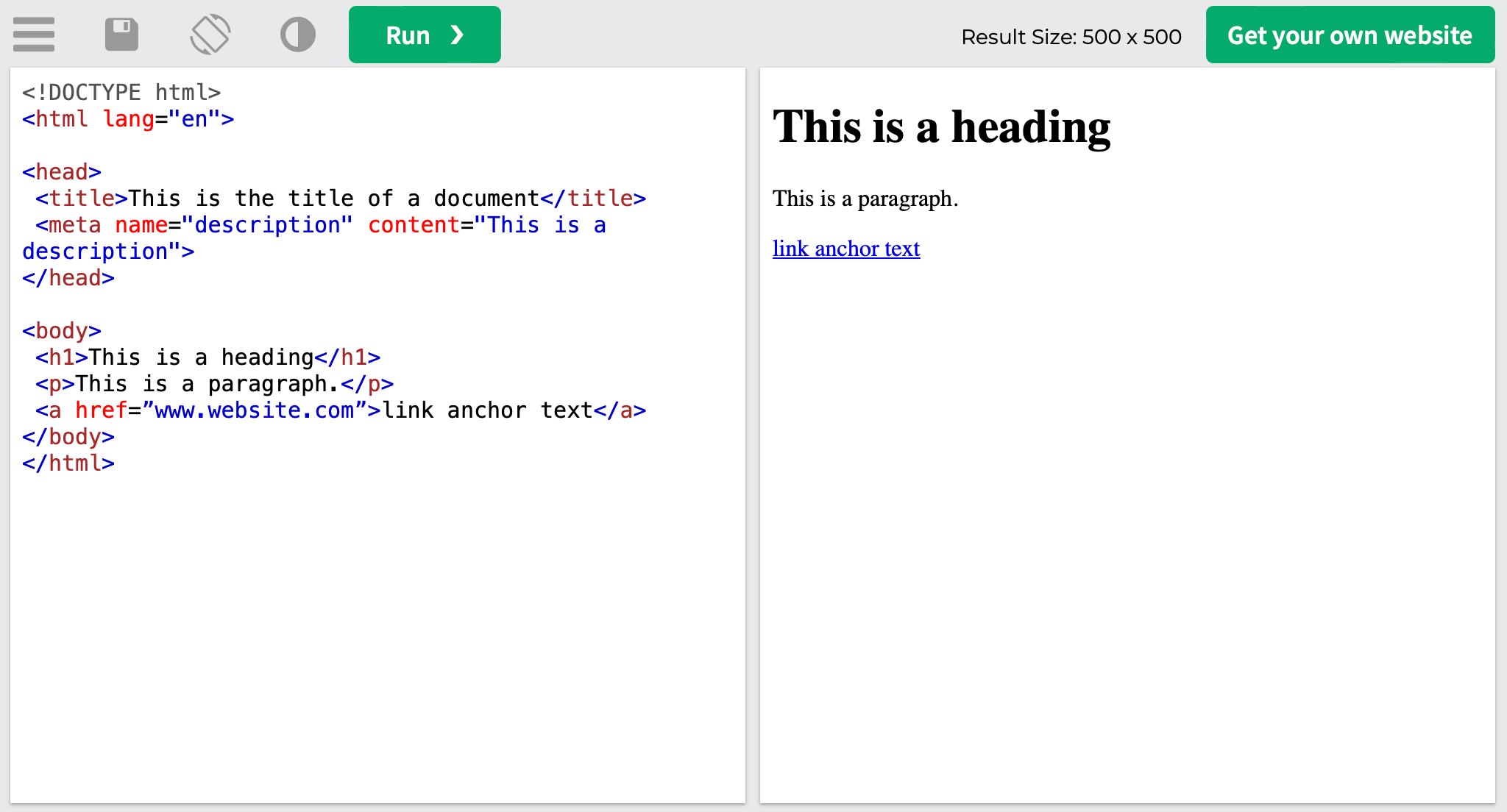
HTML (HyperText Markup Language) is the foundation of any webpage. A well-structured HTML document helps search engines understand the content and context of your site. For Moroccan businesses, this means ensuring that your HTML is clean, semantic, and properly formatted.
Example: A local e-commerce site in Casablanca can improve its SEO by using proper heading tags (H1, H2, H3) to structure product descriptions and categories.
Key HTML Elements for SEO
- Title Tags: These are crucial for telling search engines what your page is about.
- Meta Descriptions: While not a direct ranking factor, they influence click-through rates.
- Header Tags (H1, H2, H3): These help structure your content and provide context.
ASTUCE EXPERT: 💡 Use descriptive and keyword-rich title tags to improve your site’s visibility.
ATTENTION: ⚠️ Avoid stuffing your title tags with keywords, as this can lead to penalties.
EN BREF:
- Use proper heading tags to structure your content.
- Ensure your title tags are descriptive and keyword-rich.
- Avoid keyword stuffing in your meta descriptions.
Optimizing Meta Tags and Descriptions
Crafting Effective Title Tags
Title tags are one of the most critical elements for SEO. They appear in search engine results and should be compelling and relevant to the content on the page.
Example: A travel agency in Marrakech can use a title tag like “Best Travel Packages in Marrakech – Discover Morocco” to attract local and international tourists.
Writing Compelling Meta Descriptions
Meta descriptions provide a brief summary of the page content. While they don’t directly impact rankings, they can influence click-through rates.
Example: A Moroccan restaurant in Rabat can use a meta description like “Experience the best Moroccan cuisine in Rabat. Our restaurant offers traditional dishes with a modern twist. Visit us today!”
DONNÉES 2024: 📊 According to recent studies, pages with well-crafted meta descriptions see a 15% higher click-through rate.
INSIGHT SEO: 🔍 Google’s algorithm increasingly values user engagement metrics, making meta descriptions more important than ever.
CHECKLIST: ✅
- Keep title tags under 60 characters.
- Make meta descriptions concise and compelling.
- Ensure both are relevant to the page content.
Structuring Your Content with Semantic HTML
Using Semantic HTML Tags
Semantic HTML tags like `
`, ` `, and `
